 Featured
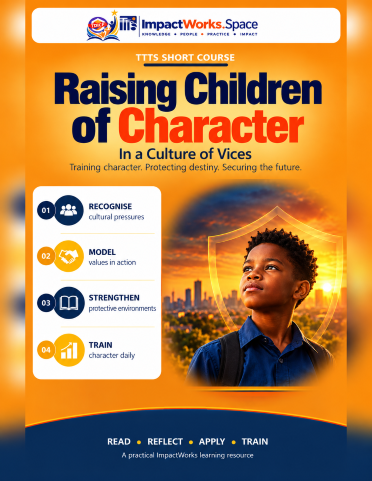
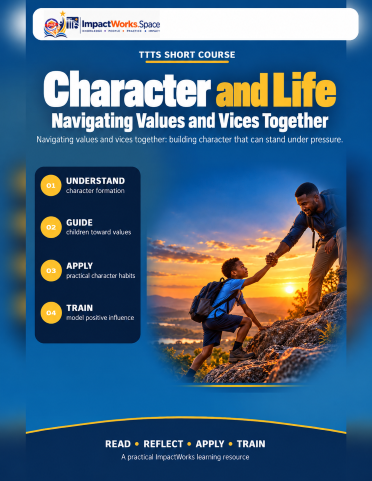
Raising Children of Character in a Culture of Vices - Short Course
Generation NEXT
₦5,000
$5 in US dollars
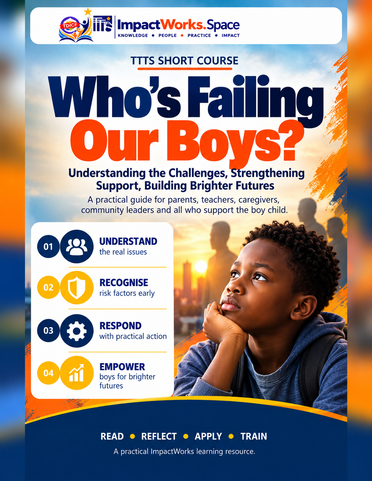
“Who’s failing our boys?” is not a search for one person to blame. It is a question about the network of relationships, institutions, messages and opportunities that shape a boy’s development. Boys are not a single group with identical needs. Each child is shaped by temperament, family circumstances, culture, disability, community, school experiences and the quality of relationships available to him. When boys are misunderstood, unsupported or expected to manage difficult emotions alone, adults may miss chances to help. Some boys hide distress behind silence, anger, humour, risktaking or apparent indifference. These behaviours do not automatically mean a child is in danger; they are reasons to observe carefully, ask respectful questions and understand context.
Healthy development requires more than telling boys to be strong, behave well or work hard. Children need emotional safety, dependable boundaries, learning opportunities, positive role models, protection from exploitation and adults who model the values they teach. This course moves from blame to shared responsibility and from concern to practical action.
Parents and caregivers: strengthen connection, guidance, supervision and consistent boundaries.
Teachers and school leaders: notice unmet needs, respond fairly and create safe opportunities to ask for help.
Community and faith leaders: build protective relationships and challenge harmful norms.
Trainers, volunteers and child-protection practitioners: facilitate responsible discussion and act within safeguarding boundaries.
Policy and programme leaders: consider how systems can reduce gaps in support.
Featured
Generation NEXT
 Featured
Generation NEXT
 Featured
Generation NEXT